
Four Hua Sheng Vessels Set Sail for the North Pacific
Fleet Departs Kaohsiung for a New Pacific Saury Fishing Season
Four vessels under Seaworth Holding Co., Ltd.’s Hua Sheng Squid Jigging Division—XING HUA SHENG NO.686, XING HUA SHENG NO.616, HUA SHENG NO.636, and XING HUA SHENG NO.669—have departed successively from Kaohsiung after completing maintenance in port and preparations for departure. Bound for the North Pacific, the vessels carry the hopes of the Group’s shoreside teams and crews as they begin a new season of Pacific saury fishing.
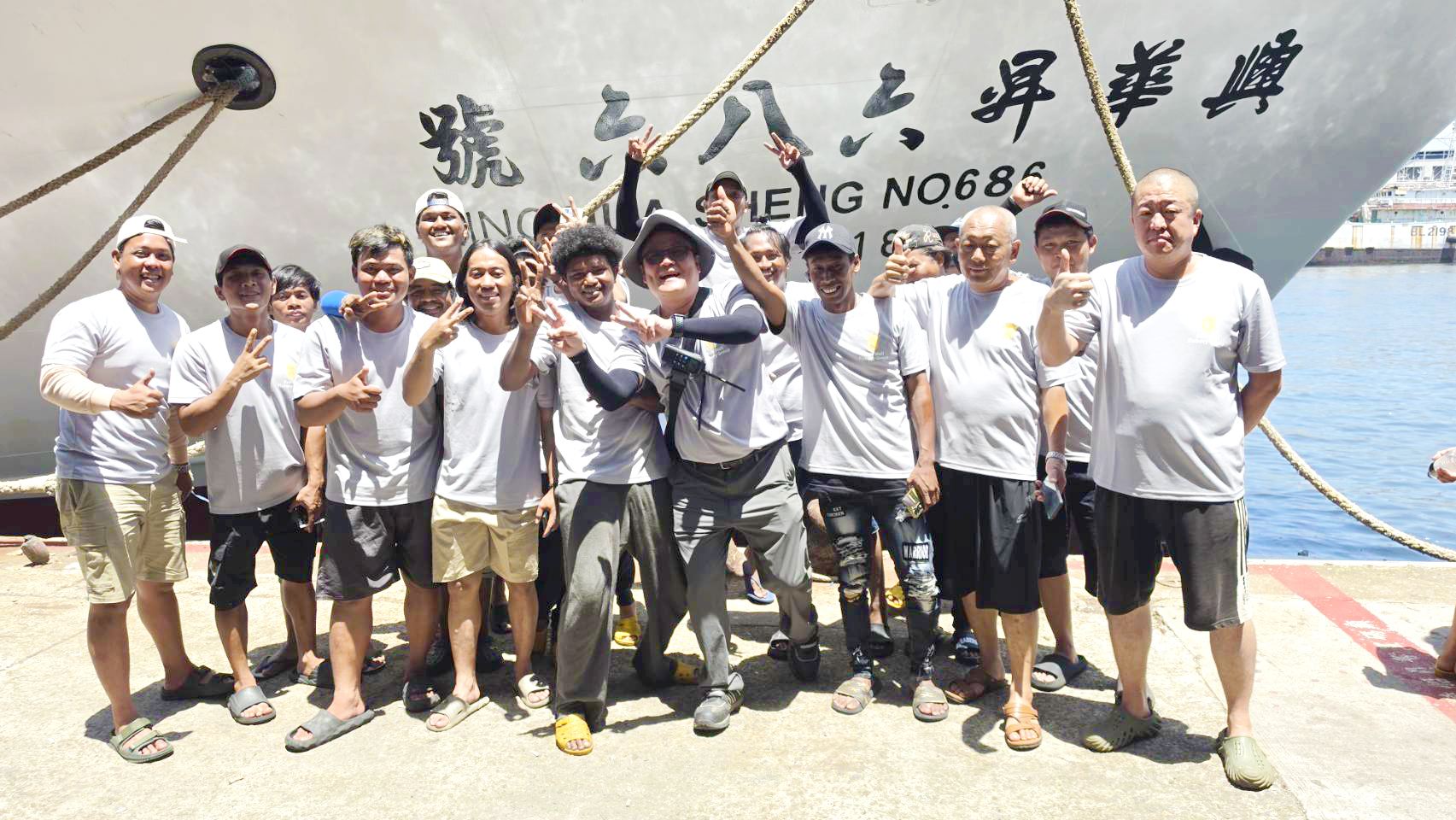
▲ Crew members of different nationalities share a cheerful group photo before setting sail on their extended voyage. (XING HUA SHENG NO.686)
The fleet brings together multinational crews from Taiwan, South Korea, China, Indonesia, and the Philippines, combining diverse cultural backgrounds, professional skills, and experience at sea. Clearly defined responsibilities and close teamwork support reliable navigation, fishing operations, and daily life onboard, while strengthening the crews’ ability to respond to the challenges of extended voyages.
Comprehensive Preparations Strengthen Vessel Reliability and Operational Performance
To prepare for extended distant-water voyages, all four vessels underwent thorough inspections and maintenance tailored to the condition of their equipment. Work covered propulsion, refrigeration and catch preservation, fishing machinery, pollution prevention equipment, and systems supporting crew accommodation.
On XING HUA SHENG NO.686, maintenance was completed on the main engine, auxiliary engines, and refrigeration equipment. Repairs to the fish grading machine also helped improve the efficiency and reliability of catch handling. In addition to servicing its main and auxiliary engines and refrigeration system, XING HUA SHENG NO.616 underwent inspections and repairs to fishing equipment, including the winch used to handle the net’s floating pole and the fish pump, further improving operational performance.
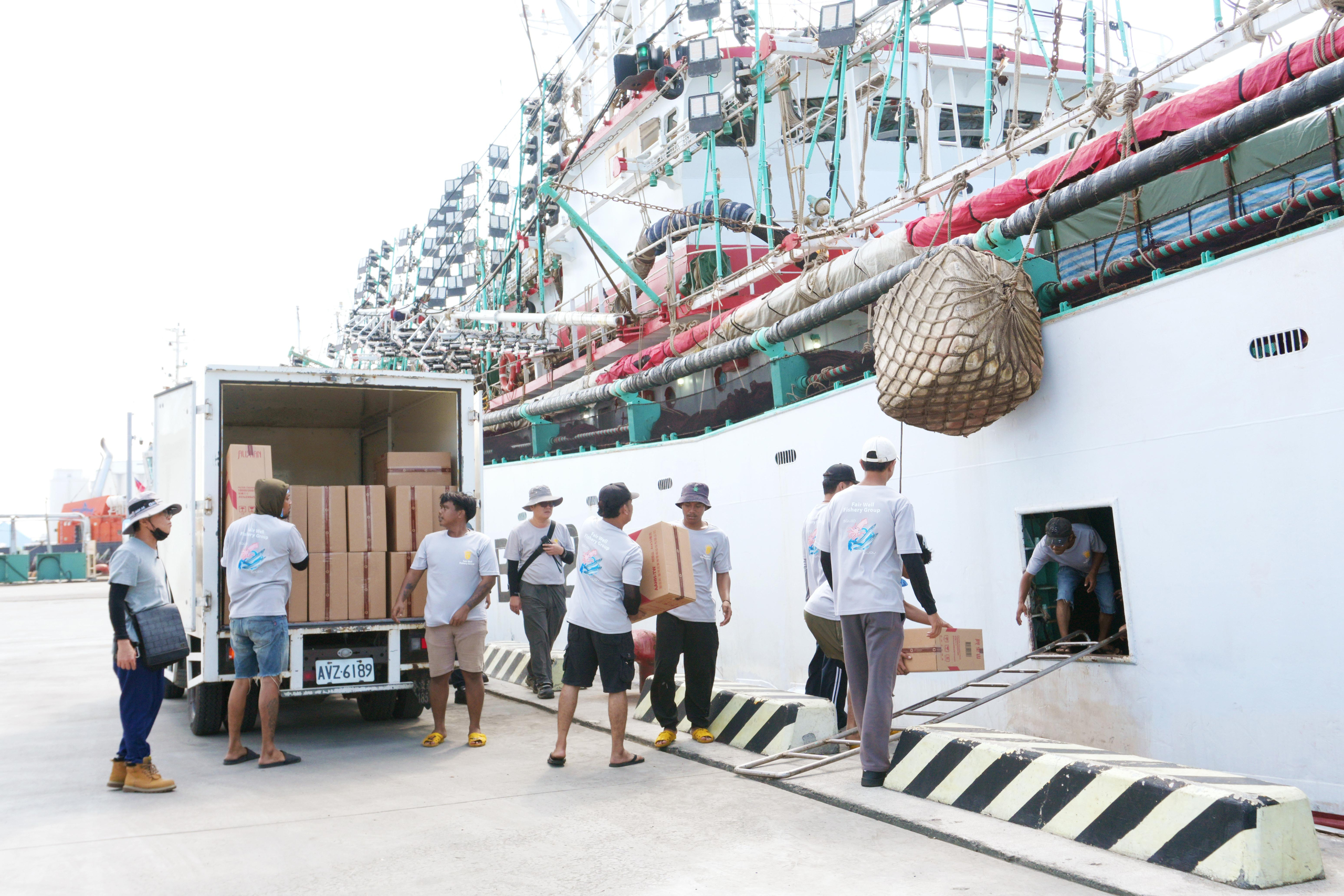
▲ Supplies are loaded aboard as preparations continue for the upcoming voyage. (XING HUA SHENG NO.669)
HUA SHENG NO.636 completed maintenance on its main and auxiliary engines and refrigeration system, alongside inspections and repairs to conveyor motors, the freshwater generator, oily water separator, and oil purifier. This work strengthened the reliability of equipment essential to prolonged operations at sea.
XING HUA SHENG NO.669 also completed maintenance and renewal work on its main and auxiliary engines, refrigeration system, freezer-room refrigerant piping, central air-conditioning system, hydraulic pumps, freshwater generator, oily water separator, and associated oil and water treatment equipment. Together, these improvements supported overall vessel performance, from propulsion and catch preservation to crew comfort and pollution prevention.
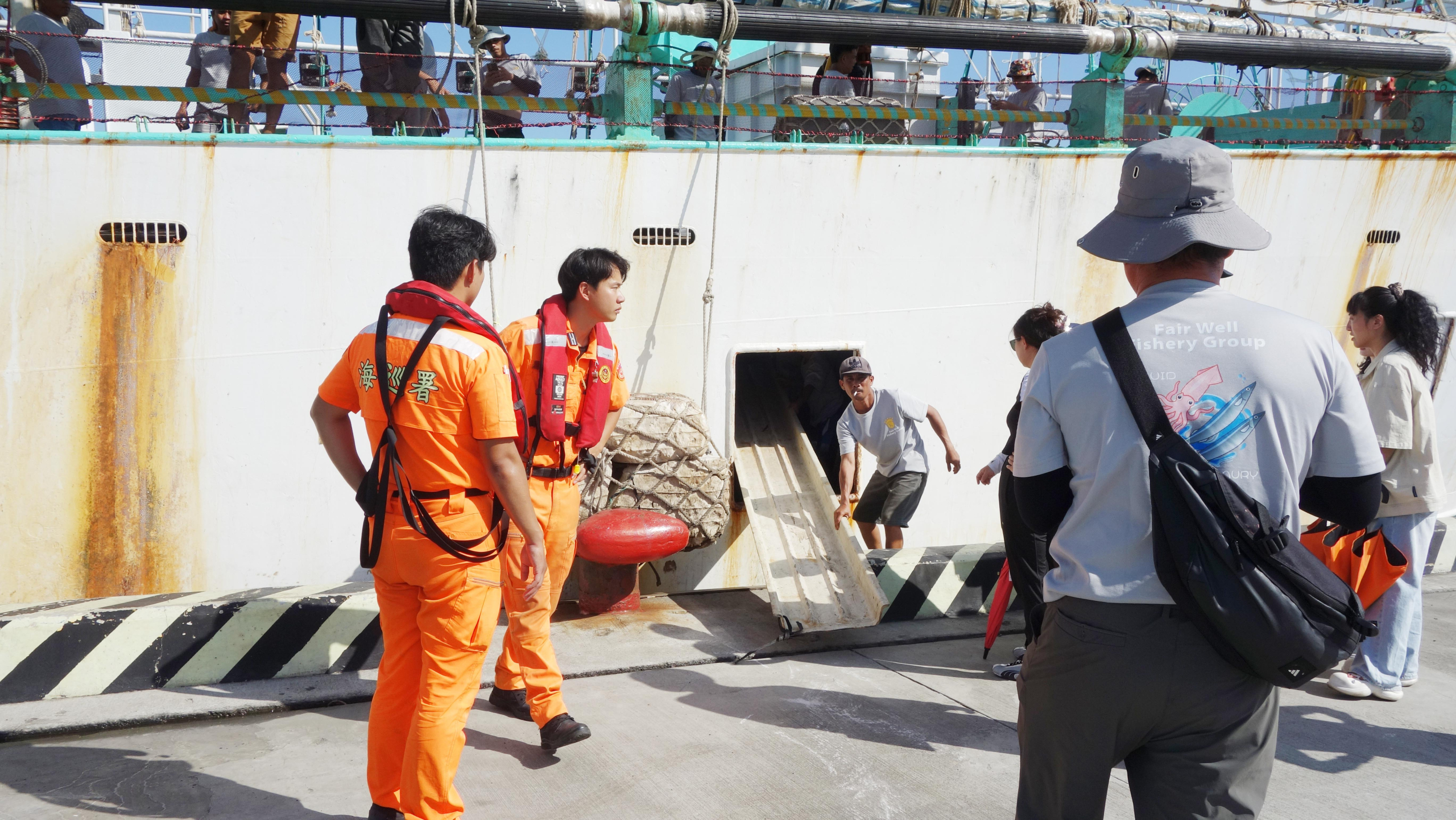
▲ Crew members stow the gangway after thorough departure checks are completed. (XING HUA SHENG NO.616)
Safety Management and Regulatory Compliance Before Every Departure
Alongside equipment maintenance, navigational safety and regulatory compliance remained central to preparations for departure. The Group arranged annual safety inspections by the relevant bodies as required. Firefighting equipment, vessel safety equipment, and associated systems on deck, on the bridge, and in the engine room were inspected to confirm compliance with applicable safety and regulatory requirements.
Before departure, each vessel also underwent comprehensive checks under rigorous operating procedures. These checks covered deck machinery, engine-room equipment, and other critical systems, with operational trials conducted where necessary to confirm readiness for safe navigation and distant-water fishing.
In line with the Fisheries Agency’s recent outreach on International Radio Call Sign (IRCS) requirements, the vessels’ identification markings were checked and applied as required. An IRCS is a key identifier in international maritime communications and supports navigational safety, fisheries management, and operations across jurisdictions. Attention to these requirements reflects the Group’s commitment to regulatory compliance and international operating standards.
Improving Working and Living Conditions at Sea
With crews spending extended periods at sea, preparations also focused on their working and living environment. During the vessels’ time in port, engineering teams inspected and maintained freshwater production, oily water separation, and sewage treatment systems to support reliable freshwater supplies and proper environmental management onboard.
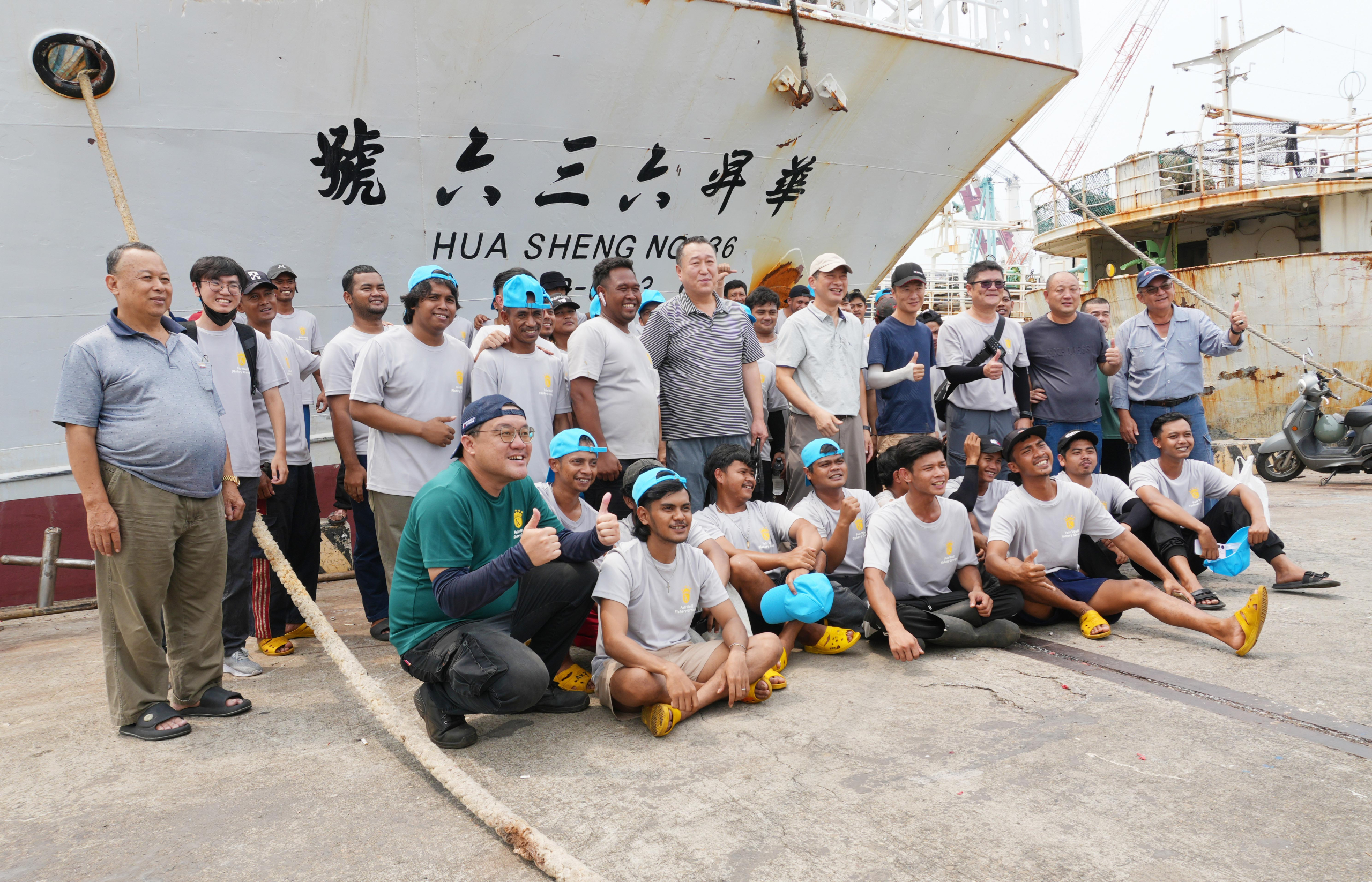
▲ The crew of HUA SHENG NO.636 prepares for a new voyage.
According to each vessel’s needs, the Group replaced mattresses and provided new workwear, cold-weather clothing, and changes of clothing. Crew cabins and other accommodation spaces were repaired, and pest control treatments were completed throughout the vessels to improve living conditions during long voyages.
The fleet’s multinational composition also makes cultural considerations an important part of life onboard. During preparations in port, the vessels’ cooks prepared varied meals featuring meats and fresh vegetables, providing crews with nutritious food ahead of their extended time at sea.
Training Strengthens Crew Preparedness and Fleet Management
Beyond equipment and maintenance, the Group continued to strengthen the operational and management capabilities of vessel officers and crew members through training. Briefings before departure covered North Pacific requirements for transshipment and vessel rendezvous, high seas boarding and inspection procedures, crew working-hour management, onboard Wi-Fi usage policies, responses to crew injuries and illnesses, and drinking-water equipment maintenance.
These sessions helped officers and crew members understand the relevant requirements and response procedures before beginning fishing operations, supporting continued improvements in safety management, operational efficiency, and compliance with international requirements.
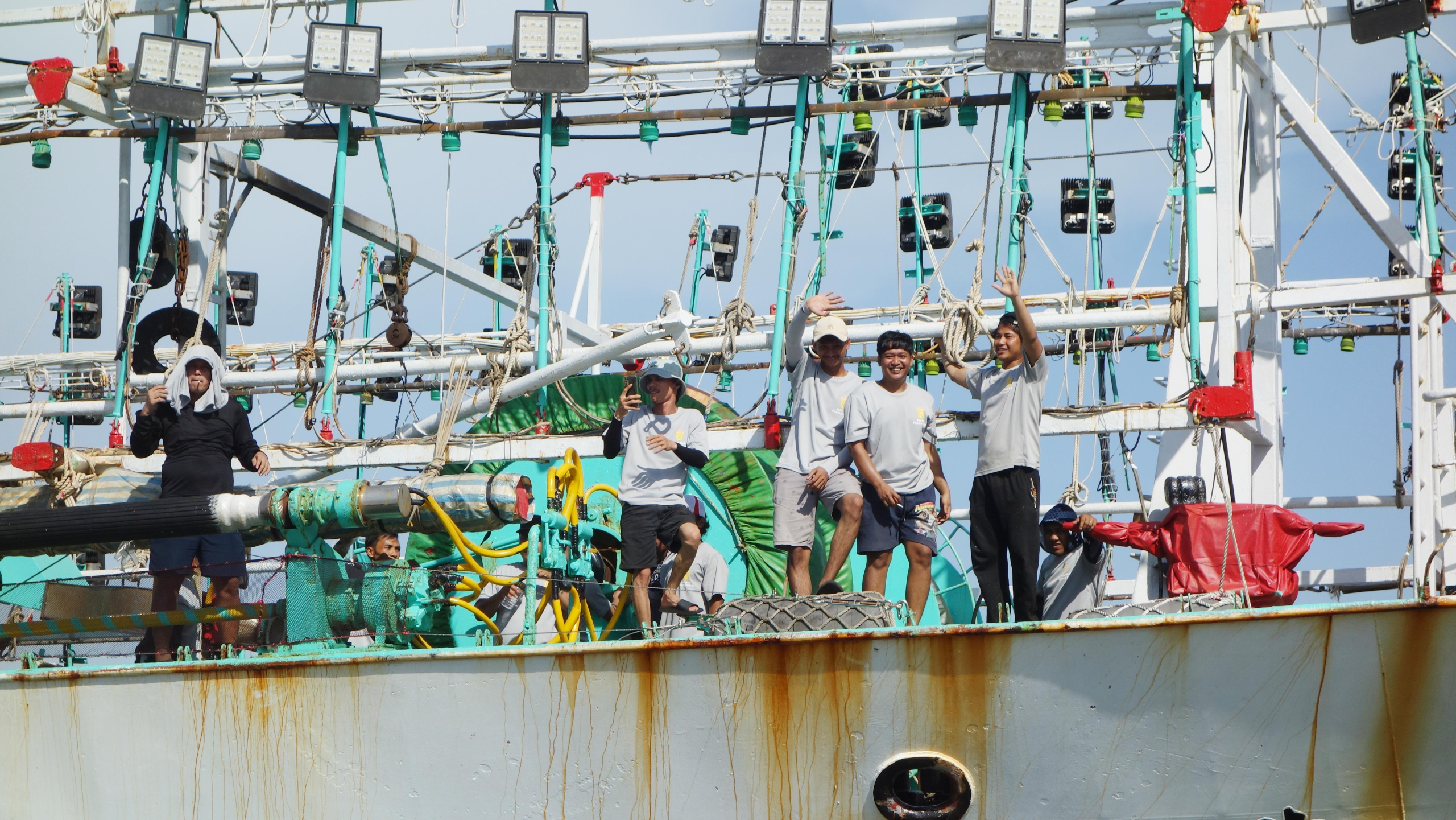
▲ Crew members aboard HUA SHENG NO.636 wave goodbye to the Group’s shoreside team.
Successive Departures Mark the Start of a New Season
After completing maintenance, provisioning, training, and departure formalities, XING HUA SHENG NO.686 was the first to set sail, followed by XING HUA SHENG NO.616 that afternoon. HUA SHENG NO.636 departed next, joining the fleet’s North Pacific operations. XING HUA SHENG NO.669 subsequently completed its preparations and departure formalities, leaving the harbor amid warm wishes from Group employees and crew members.
The successive departures of the four vessels mark the start of a new Pacific saury fishing season and reflect Seaworth Holding’s ongoing efforts to strengthen fleet operations, safety management, and crew welfare.
Every departure is made possible by the coordinated efforts of shoreside and seagoing teams—from equipment maintenance, navigational safety, and regulatory compliance to crew welfare and training. Seaworth Holding will continue to uphold safe navigation, professional operations, and sustainable business practices, supporting a reliable supply of high-quality seafood and the continued development of sustainable fisheries.