Sustainability Program

Sustainable Projects

  • 100% Catch Retention of All Tuna  :  We support and comply with company policies mandating that all tuna caught onboard controlled purse seine vessels must be fully retained, except in cases where fish are unfit for human consumption or when, in the final set of a trip, there is insufficient well capacity to accommodate all catch.
  • Prohibition of Shark Finning  :  We do not permit the practice of shark finning on board our vessels. Shark finning is defined as the removal and retention of shark fins while discarding the remainder of the shark at sea. We require that all retained sharks be stored and landed with fins naturally attached.
  • Deployment of non-entangling FADs  :  We are committed to deploying or redeploying fish aggregating devices (FADs) that are completely non-entangling (i.e., without netting), in accordance with the ISSF Guide for Non-Entangling FADs. This policy is also made available to all purse seiners under our management.(Find attached)
  • Avoidance of Groundwater Exploitation  :  Over-extraction of groundwater may lead to land subsidence and other negative environmental impacts. It is our policy to use 100% seawater for grouper aquaculture.
Sustainable Development Plan

Industry Academia Collaboration

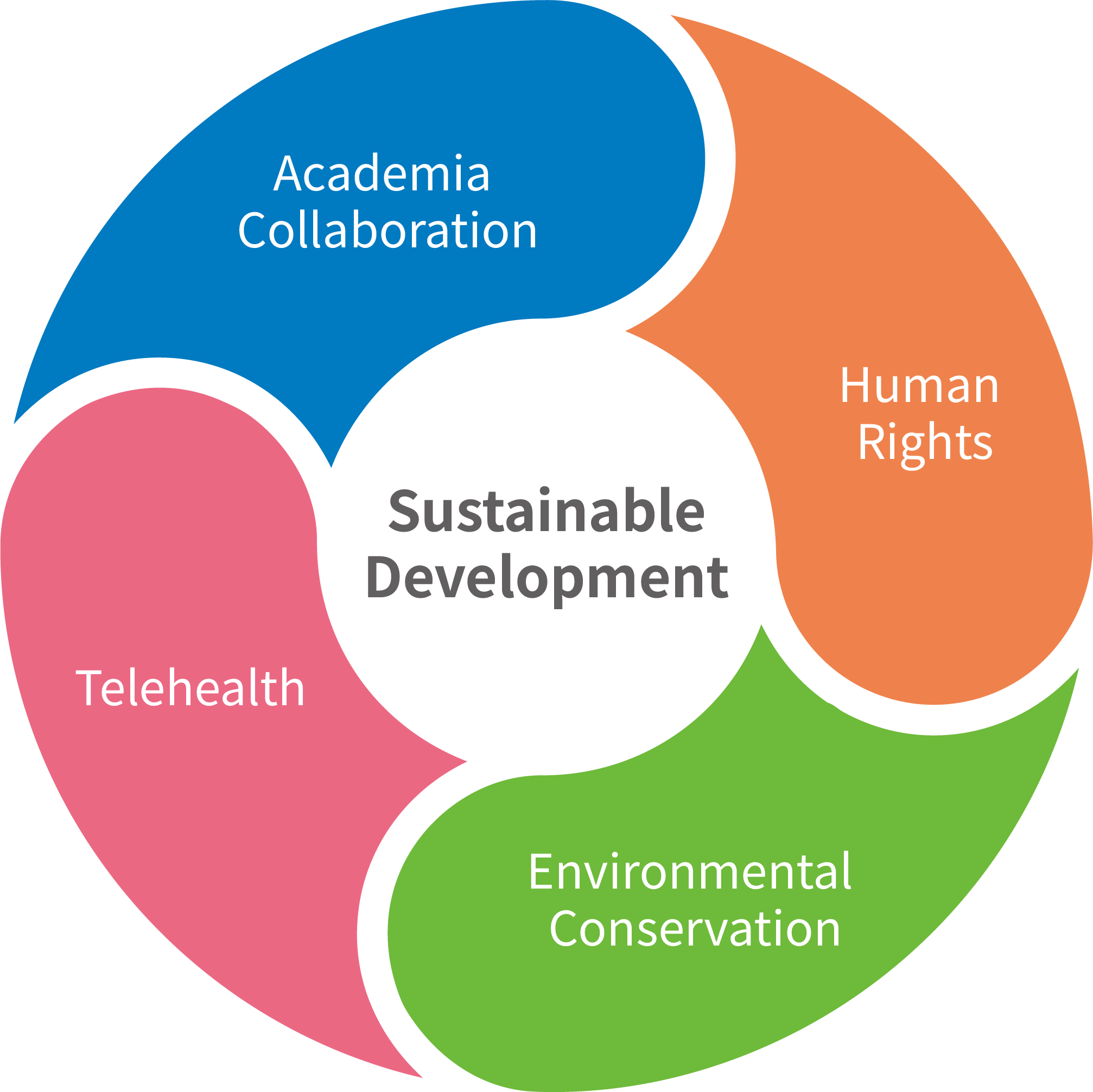
In line with the Fisheries Agency’s “Fisheries Development Fund Incentive Guidelines for Graduates of Fisheries and Maritime Institutions and Vocational Training Centers to Serve on Fishing Vessels,” Fair Well has established a partnership with National Kaohsiung University of Science and Technology. Through incentive and subsidy mechanisms, this collaboration helps cultivate and expand the fishing vessel workforce, enhance the quality of Taiwanese crew members, and pass on the traditional culture of the distant-water fishing industry to students, laying a foundation for the Group’s long-term sustainable development.

Industry- Medical Collaboration

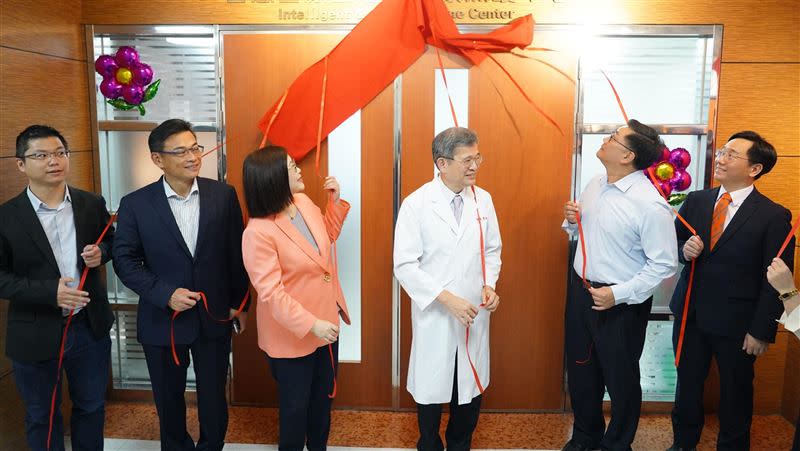
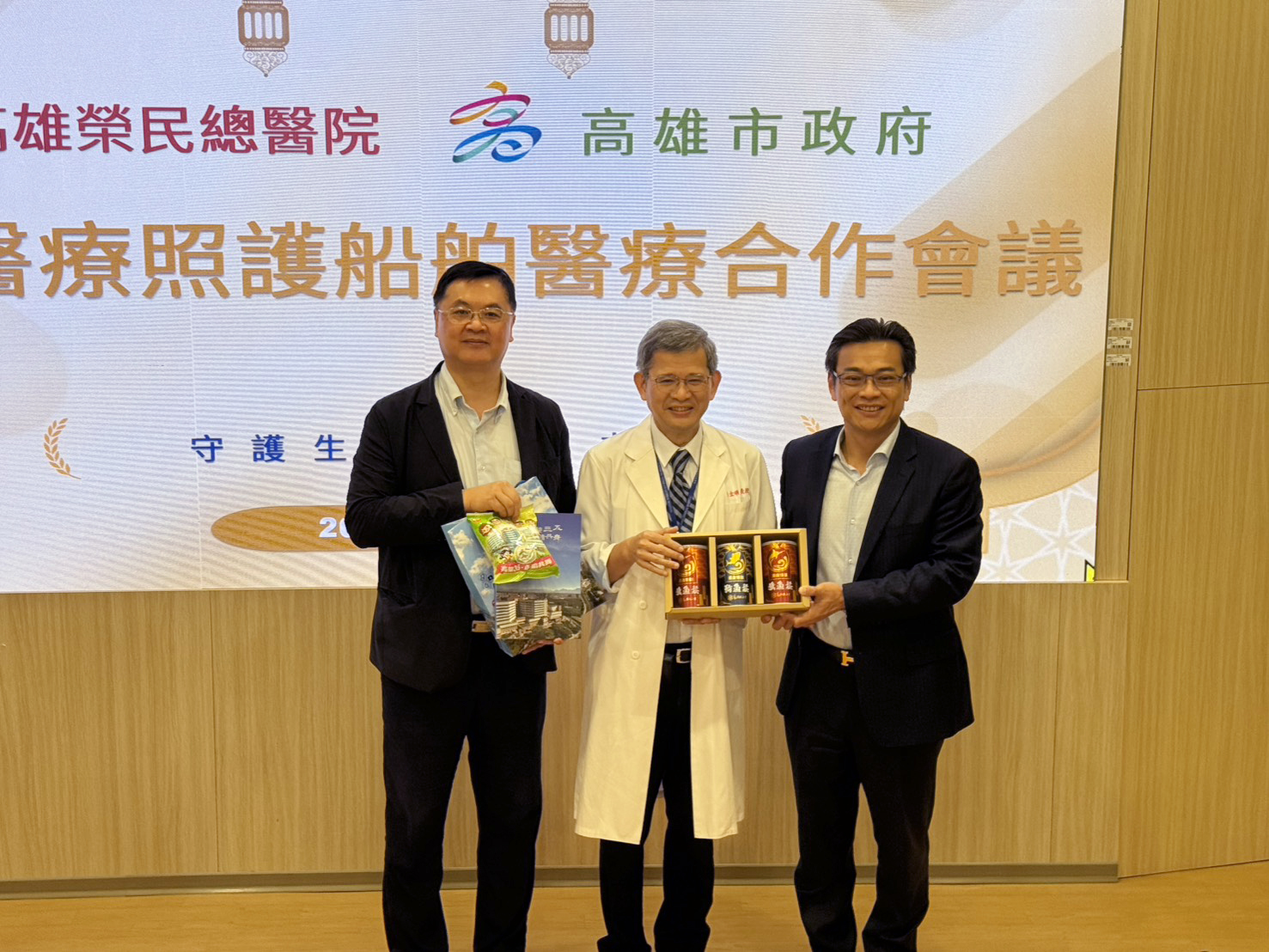
Fair Well Fishery Group plans to establish a remote medical consultation platform in collaboration with Kaohsiung Veterans General Hospital. This initiative aims to enhance healthcare services for employees and improve emergency response for crew members experiencing illness or injury at sea. Through integrated smart healthcare and emergency support, crew members’ health conditions can be monitored and assessed in real time via remote communication, improving diagnostic accuracy and providing greater reassurance. This system helps reduce emergency evacuations, shorten treatment delays, lower operational risks, and improve the overall efficiency of maritime medical response.

Human Rights Counseling and Engagement

The integration of human rights protection into international trade has become an increasingly important global trend. Ensuring fair labor conditions, improving living standards, and strengthening social protection are urgent priorities. In response, Fair Well follows the Fisheries Agency’s “Action Plan for Fisheries and Human Rights” and the Taiwan Ocean Conservation and Fisheries Sustainability Foundation’s “Heart of the Ocean Eco-label Certification Standards” to establish a group-wide marine sustainability policy. This policy emphasizes marine conservation, environmental protection, and vessel management, while strengthening the protection of crew members’ rights at sea as part of the Company’s corporate social responsibility.

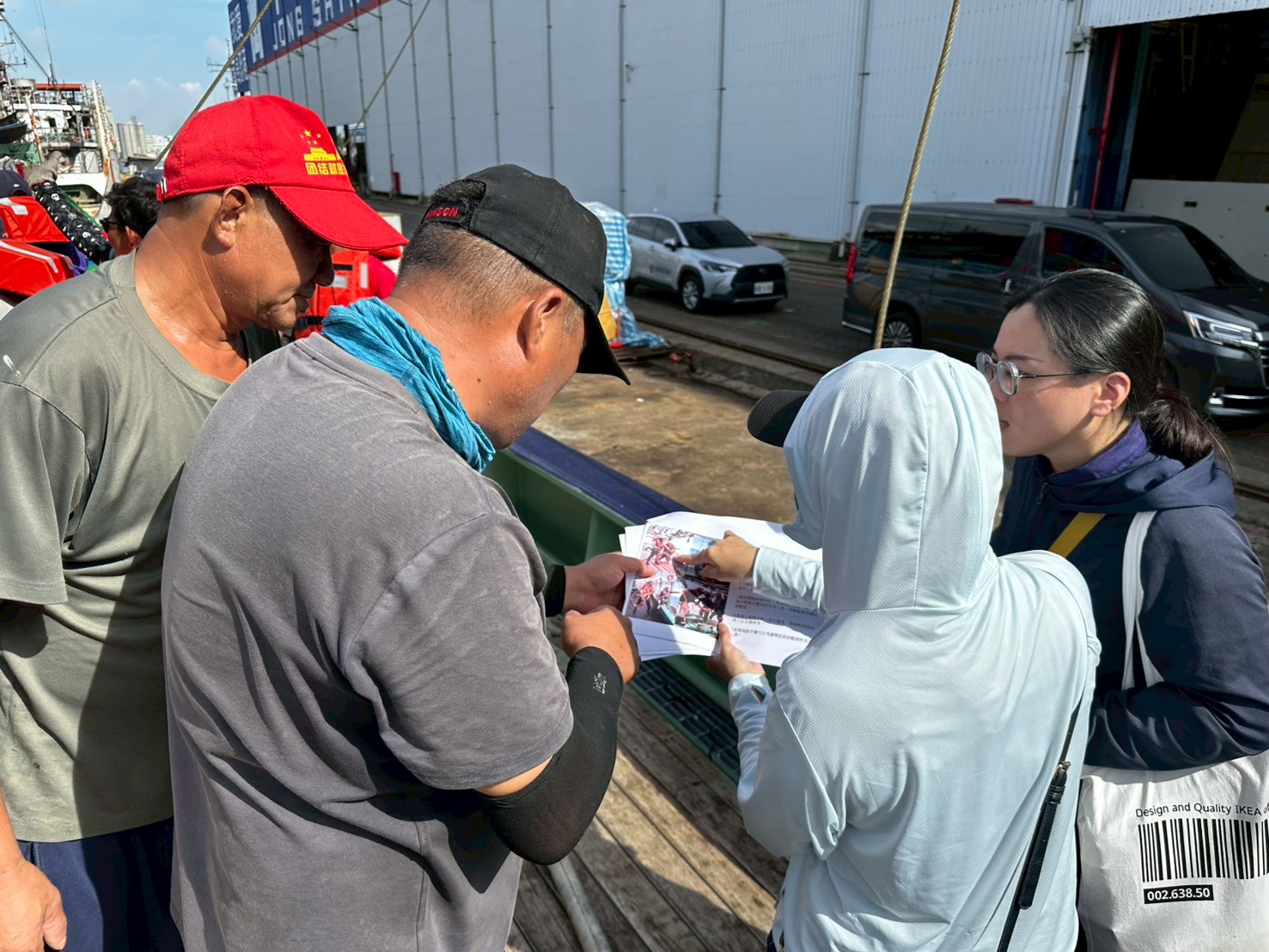
Since 2024, in coordination with vessel return and departure schedules, the Company has cooperated with Fisheries Agency inspections on vessels such as FAIR WELL (four voyages) and has conducted human rights training and awareness programs for senior crew members on vessels such as VIVA EAGLE (eight voyages).

Occupational Safety and Health Promotion

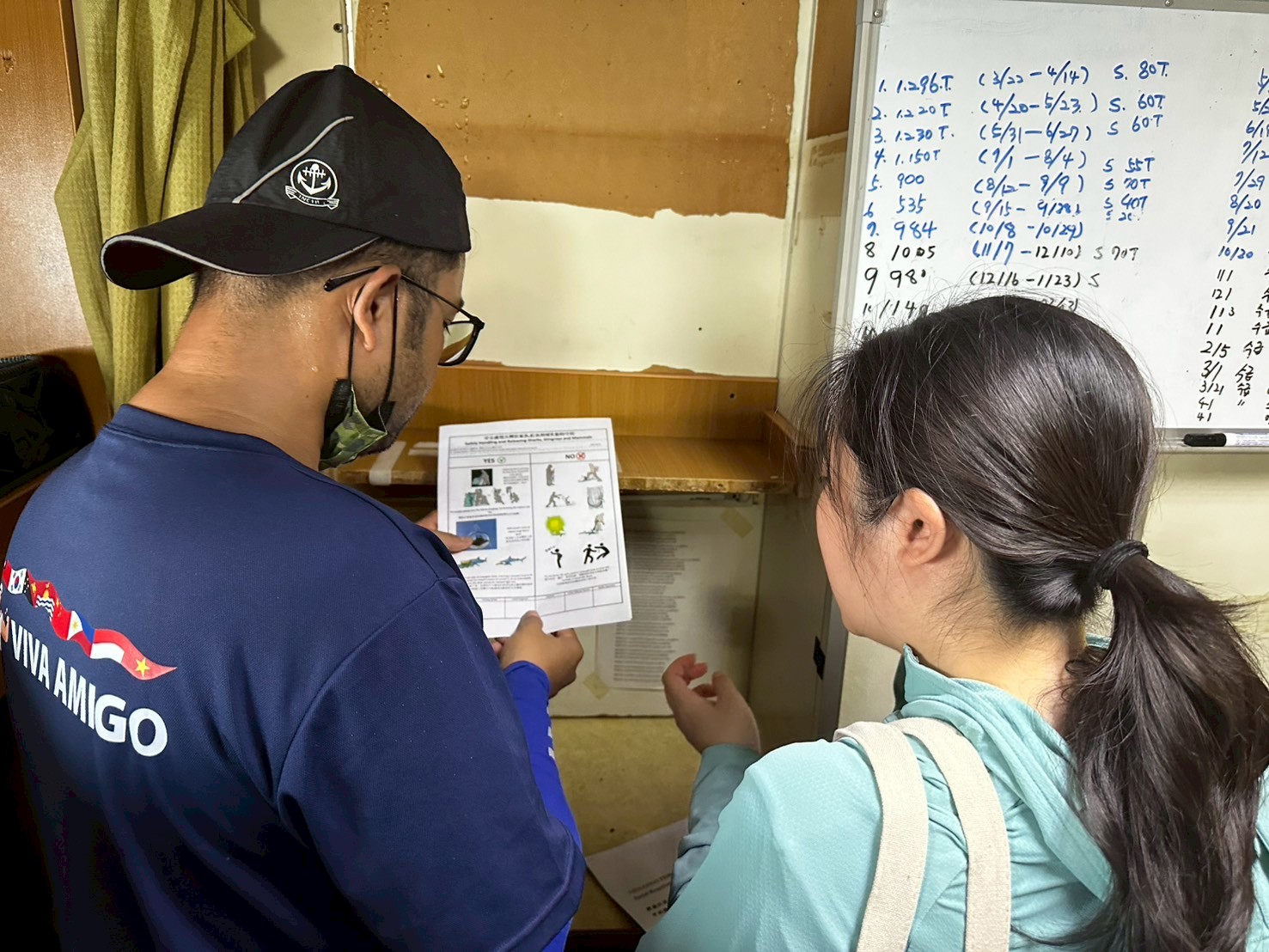
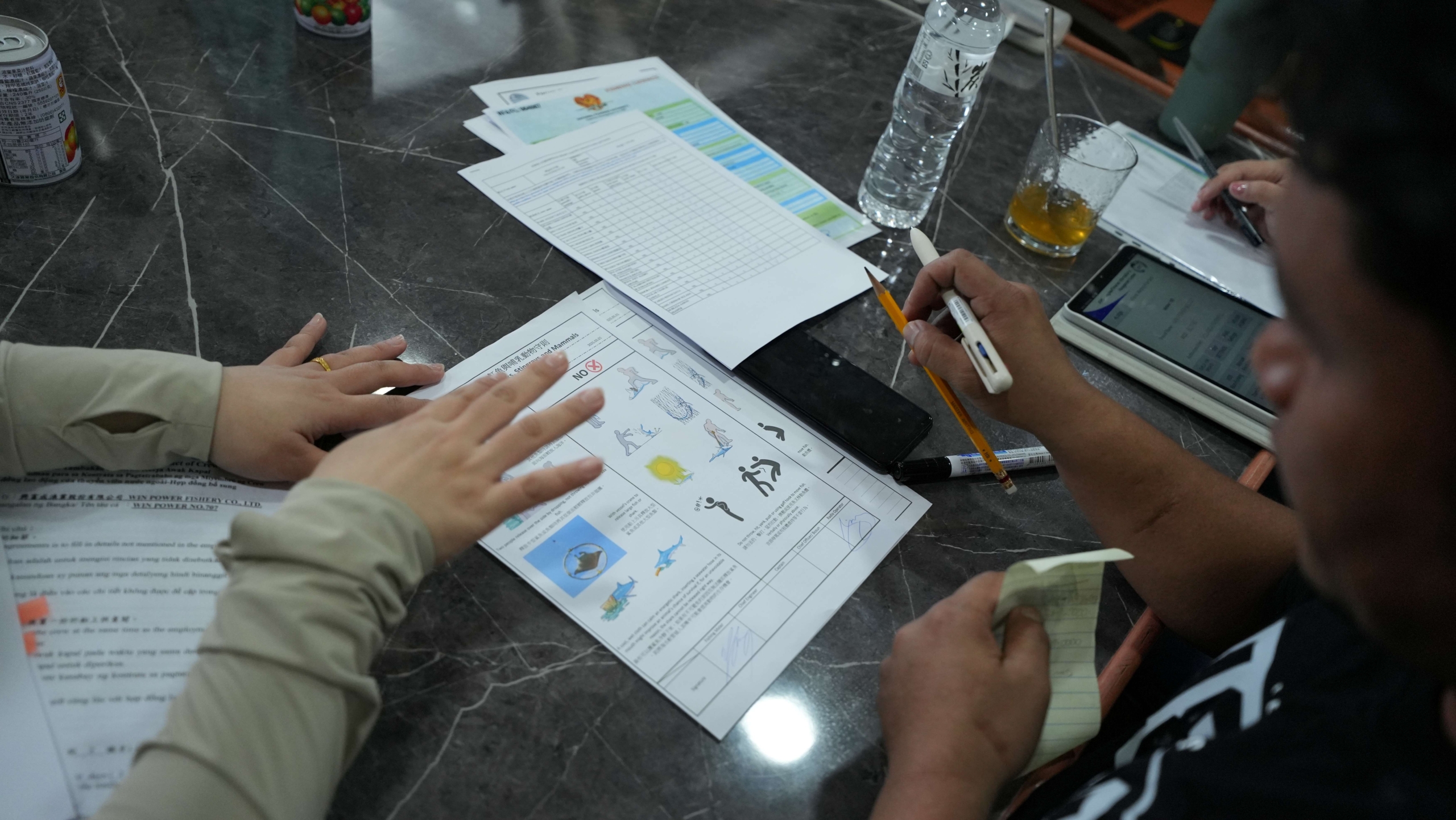
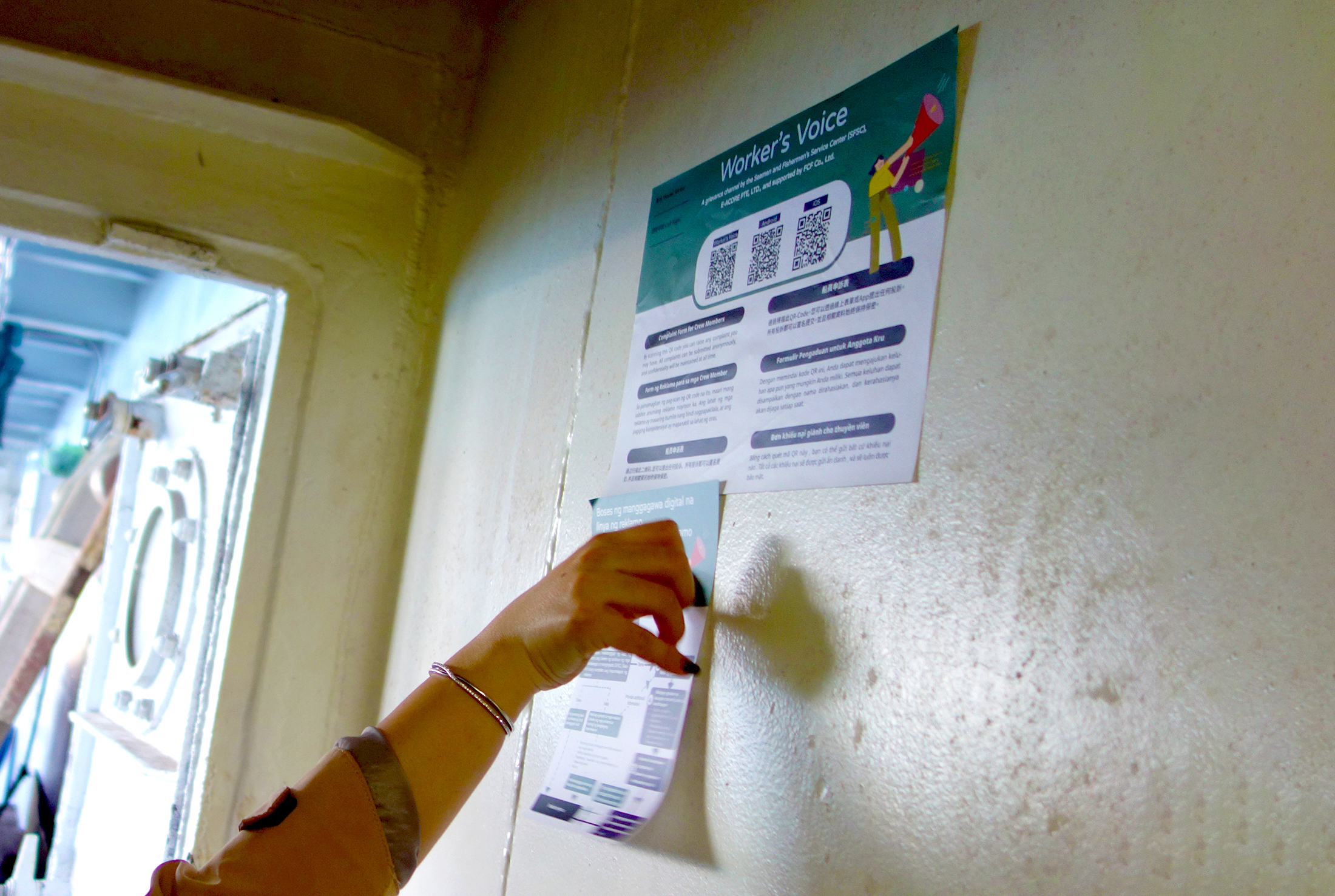
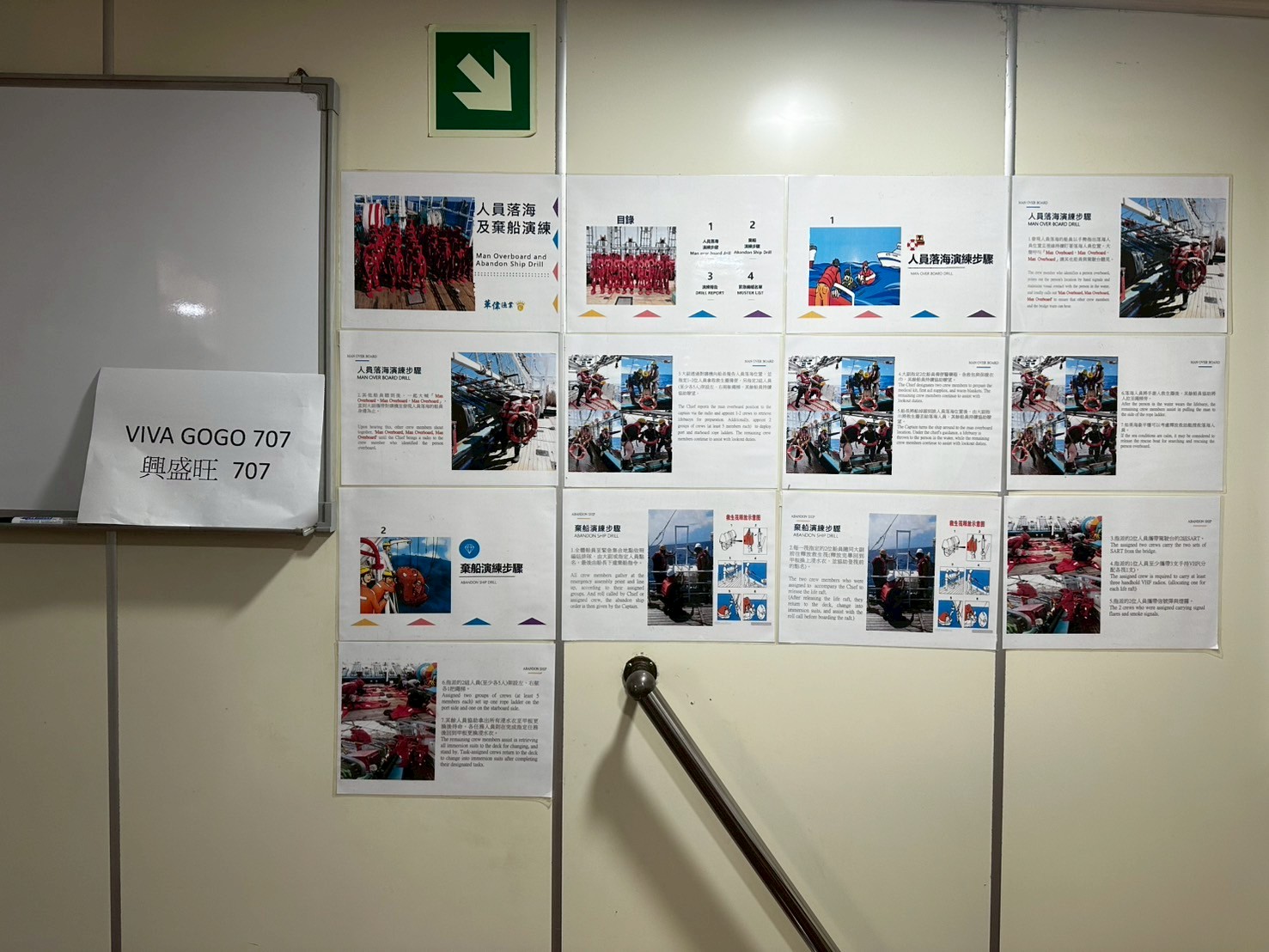
To safeguard occupational safety and health across our fleet, Fair Well Fishery goes beyond basic regulatory compliance. In addition to pre-boarding training and the three major emergency drills, occupational safety and health materials are placed in key onboard areas, including crew dining halls, living quarters, passageways, engine rooms, and decks. Multilingual safety awareness videos are also provided to ensure that crew members of different nationalities can fully understand essential safety procedures.

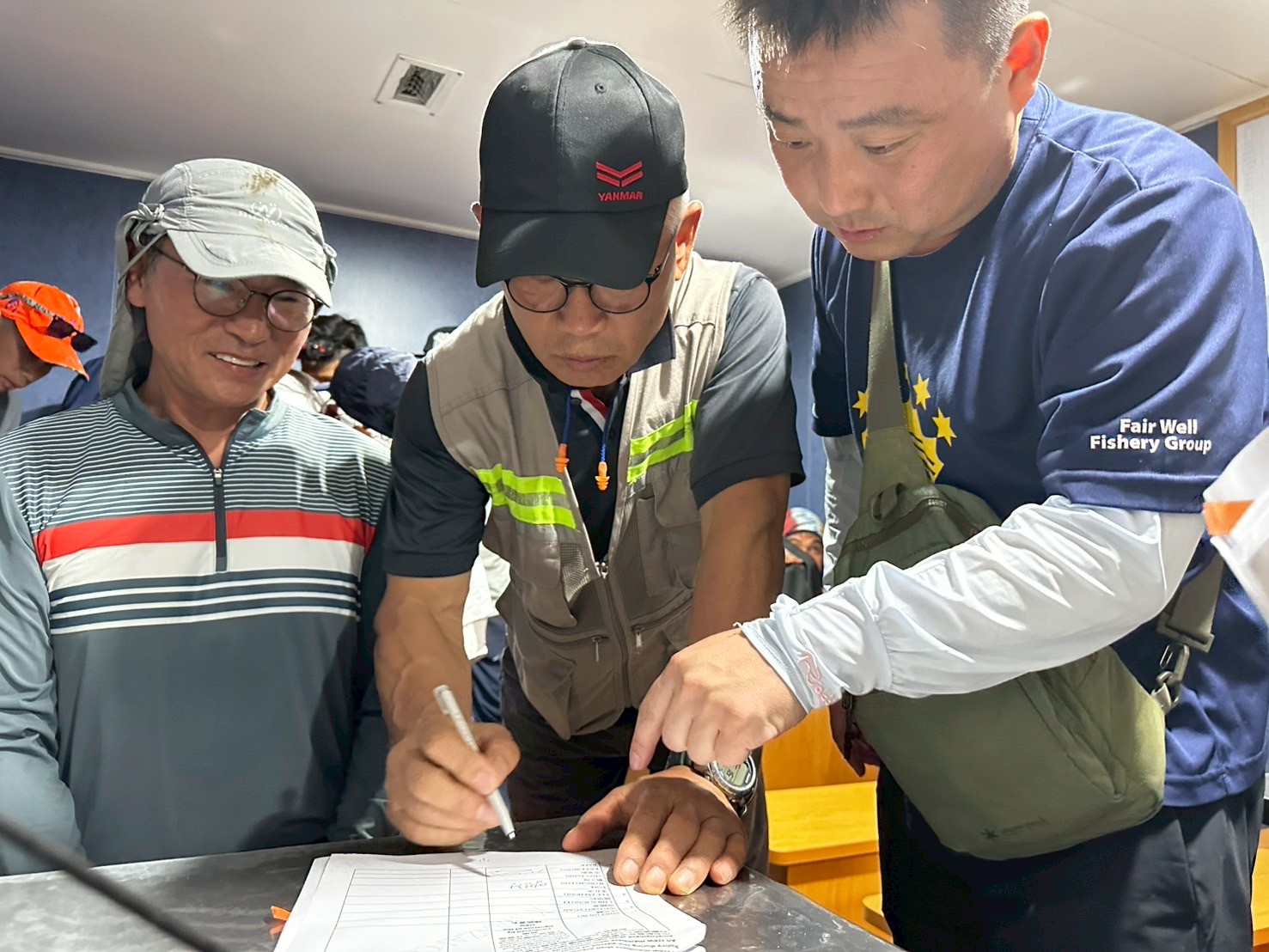
To uphold labor rights and ensure informed consent, we conduct quarterly crew list verification to ensure that all new crew members have completed pre-boarding orientation and training.

  • Pre-boarding Confirmation and Orientation
    The radio operator works closely with the captain to confirm crew lists and provide role introductions and operational briefings for new crew members.

  • Onshore Training and Policy Communication
    All radio operators receive professional internal training and, prior to boarding, brief crew members on company regulations, salary structures, labor rights, grievance procedures, and required documentation.

  • Document Signing and Rights Assurance
    Each crew member is fully informed of their rights and personally signs all relevant employment documents, rights declarations, and grievance procedures to ensure awareness and protection of their entitlements.

    As part of ongoing system and workplace improvements, we continuously strengthen the following key initiatives:

  • Establishment of Regular Inspection and Training Systems
    Each vessel is required to submit quarterly reports and comply with inspections, while onshore departments provide oversight, follow-up, and accountability.

  • Standard Operating Procedures (SOPs) and Guidelines
    Comprehensive SOPs cover onboard and onshore operations, crisis management, grievance handling, training programs, and payroll processing.

  • Enhanced Risk Identification and Early Warning Systems
    We strengthen early detection of operational risks and safety gaps through structured reporting mechanisms to reduce post-incident mitigation costs.

Audit Framework and Corporate Social Responsibility Implementation

At Fair Well Fishery Group, compliance is regarded not merely as an obligation but as a core corporate value. We actively participate in third-party audits and industry inspections while continuously developing management systems aligned with international standards. Over the years, we have progressed from local Fisheries Agency inspections of catch documentation and sourcing records to rigorous assessments by internationally recognized auditing organizations such as ISSF and EII, ensuring alignment with evolving global labor rights and sustainability standards.

As ESG principles and labor rights increasingly shape international market expectations, we have expanded our commitment beyond external compliance. Our internal audit system now covers the full scope of operations, from offshore fishing activities to onshore administrative processes.

We pledge to:

  • Respect and protect human rights, prohibiting child labor and forced labor
  • Ensure reasonable working hours and fair wages
  • Integrate environmental protection as a core business value
  • Maintain transparency in business operations and supply chain disclosure

These commitments reflect not only our dedication to meeting global market expectations but also our responsibility to advance the sustainable development of the global fisheries industry.